Best PracticesLife StyleWhitepapersWorld
How to design airtight rooms for fumigation
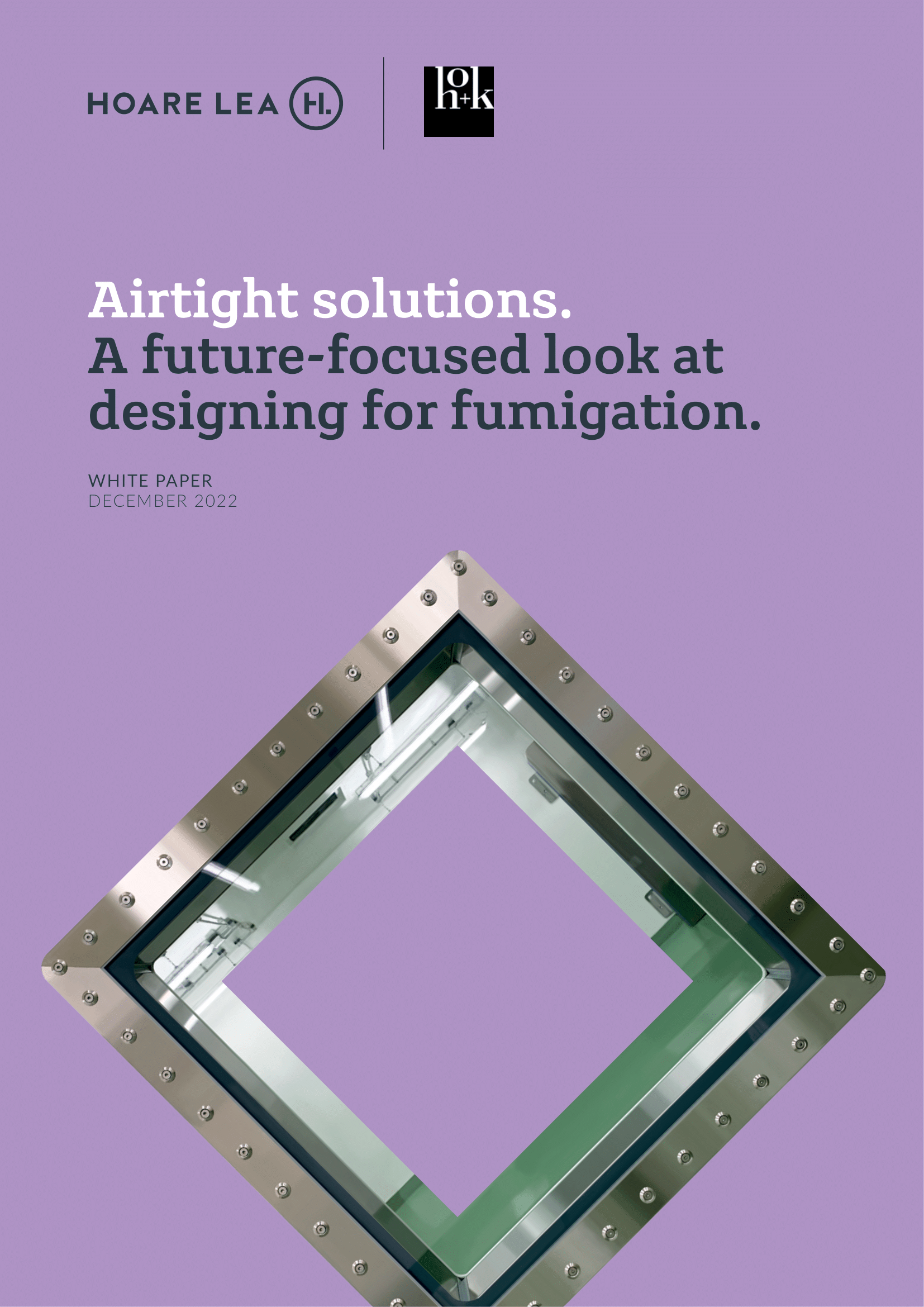
This white paper offers a future-focused look at designing for fumigation, emphasizing the critical importance of room airtightness in biological containment facilities. It draws attention to the need for early design consideration to prevent fumigant release, maintain concentration, and ensure safety.
- Understand the three primary reasons why fumigated rooms must be airtight and the dangers of neglecting sealability in design.
- Learn about the typical fumigation cycle, including pre-fumigation preparation, the fumigation process itself, and post-fumigation checks.
- Explore different types of fumigants and equipment, and the specific considerations for each, such as pressure differentials and distribution methods.
- Discover relevant global sealability standards and a comprehensive risk management approach for designing and operating fumigable spaces safely and effectively.